

Why Families Choose Long-Distance Limo for Road Trips
A family road trip can lose its charm before leaving town. One tired driver, tight seats, restless children, and packed bags create pressure. Hours behind the wheel leave little time for shared moments. Even a beautiful route feels longer when everyone arrives worn out.
A long-distance limo gives families room to relax together. A trained chauffeur manages traffic, routes, stops, and parking. This guide explains vehicle choices, family needs, prices, and booking terms. You will know what to check before planning your journey.
A Complete Guide to Comfortable Family Road Trips
A road trip feels different when nobody must handle every mile. A long-distance limo provides a reserved vehicle and trained chauffeur. Families can select the route, pickup time, and planned stops. However, the right booking begins with clear facts rather than luxury claims.
What This Type of Service Covers
This service covers more than traditional stretch vehicles used for celebrations. Fleets may include sedans, SUVs, vans, or large passenger models. Each option supports different group sizes and travel plans. The term describes booked chauffeur travel across longer routes and cities.
Common trips include reunions, college visits, concerts, and wine tours. Companies also arrange airport transfers, team travel, and business routes. Wedding groups may book one vehicle between distant cities. The service works best when every stop receives early written approval.
Match the Vehicle With Your Trip
A sedan can suit two or three riders with light bags. SUVs provide added room for suitcases, strollers, and sports gear. Vans may serve larger groups needing forward-facing seats. Stretch models add style, yet side seats may feel tiring later.
Published seat limits rarely show how much luggage fits comfortably. Ask for passenger and bag limits for the exact vehicle model. Share details about wheelchairs, coolers, instruments, or medical items. Families should also confirm step height and easy cabin access.
Cabin photos help reveal seat direction, legroom, and storage areas. Request recent images rather than relying on a fleet category. Confirm working seat belts, climate controls, lights, and charging ports. Entertainment screens and wireless internet may differ between individual vehicles.
Understand the Complete Trip Price
Companies may charge one flat fare or use hourly pricing. Flat rates suit direct routes with known stops and times. Hourly rates can support tours or plans that may change. Compare both options using the complete schedule instead of distance alone.
A written quote should list fuel, tolls, parking, and waiting. It should explain added mileage, stops, cleaning, and gratuity. Overnight travel may include the chauffeur’s hotel and meal costs. Ask whether garage travel time also appears within the final bill.
Low starting prices can become costly after several added fees. Request the total for passengers, bags, stops, and return travel. Review deposit, cancellation, and absence rules before entering payment details. Written rates make fair company comparisons much easier for families.
Plan Routes, Breaks, and Overnight Stops
Long routes need planned restroom, meal, and regular movement breaks. Add extra time for children, older adults, and medical needs. Confirm whether each stop changes the fare or travel window. Drivers also need legal rest periods during very long journeys.
Several distant cities require exact addresses and a clear stop order. Overnight plans should include hotels, morning pickups, and baggage needs. Weather or road closures may force a different route. Ask how dispatch approves changes and shares new arrival times.
Compare Every Available Travel Option
Driving your own car offers privacy and full route control. Yet one adult carries the work of traffic and parking. Rental vehicles add fuel, deposits, insurance choices, and return duties. A train removes driving but follows fixed stations and schedules.
No option wins for every family, route, or travel budget. Chauffeur travel suits groups wanting shared time and planned service. Personal cars may suit short trips with many sudden changes. Trains can work better when stations connect both destinations directly.
Verify the Company Before Booking
Before booking, carefully verify the company’s permit and commercial insurance. Ask how all chauffeurs are reviewed and how vehicles are inspected. Confirm the exact booked vehicle or written rules for substitutions. Strong terms should also explain breakdown support and replacement timing.
Choose the provider only after every key detail matches your trip. Review capacity, route, breaks, pricing, and overnight needs together. Keep confirmations and payment records until the journey ends. These checks turn a polished offer into a practical travel plan.

Comfort, Privacy, and Convenience for Longer Family Trips
Road travel becomes easier when the whole family can simply ride. A long-distance limo shifts driving duties to a trained chauffeur. Parents can focus on children, conversation, work, or quiet rest. That change makes the journey feel less tiring from departure.
Less Driving Creates More Family Time
Driver fatigue can affect mood, focus, and family plans later. Long hours behind the wheel also limit shared time together. With a chauffeur handling traffic, adults can pause and recharge. Everyone reaches the destination with more energy for planned activities.
This benefit matters most during early departures or overnight trips. Parents do not need to trade driving shifts after dark. They can watch children, review plans, or close their eyes. A rested family begins the next part of travel more calmly.
Useful travel benefits may appear before the first highway mile. One scheduled home pickup removes several small tasks from departure morning. Families avoid moving cars, finding parking, and checking separate routes. Fewer duties create a cleaner start for every passenger.
Key benefits include:
- No driving shifts
- No parking searches
- One shared route
- More family time
Cabin Comfort Supports Longer Travel Hours
Roomy seating gives passengers space to change posture during travel. Extra legroom can reduce the cramped feeling common in smaller cars. Separate seating areas may also limit noise during rest periods. Actual comfort still depends on the selected vehicle and seat layout.
Climate control helps families handle changing weather across several regions. Riders can request a steady cabin setting during the journey. Tinted windows may reduce glare and add a sense of privacy. Still, families should confirm which cabin features their vehicle provides.
Entertainment systems can help children manage long hours between stops. Wireless internet supports movies, games, messages, or travel research. Charging ports keep phones and tablets ready during remote stretches. Families should download key content when network coverage may become weak.
Privacy Makes Shared Travel Feel Personal
A private cabin lets family members talk without unfamiliar passengers nearby. Parents can discuss plans while children sleep or play quietly. Business travelers may answer emails during part of the route. Privacy also creates space for reading, music, or simple family time.
Refreshments can make longer travel periods feel more pleasant and settled. Water is useful, while light snacks may help between meal stops. Ask what the company supplies and which foods are allowed. Families should also review cleanup rules before bringing their own items.
Flexible Stops Keep the Whole Plan Together
Flexible itineraries can include meals, scenic views, and needed rest periods. One reserved vehicle remains available between approved stops and destinations. This setup reduces repeated bookings during a multi-city journey. It also keeps bags and family items within one travel plan.
Scenic routes become more enjoyable when adults can watch the view. Nobody must study directions while others enjoy the landscape. A chauffeur handles road choices and approved route changes. Families can share photos, stories, and stops without splitting driving duties.
Door-to-door travel reduces transfers between stations, lots, and hotels. One pickup can begin at home and finish near lodging. This approach helps groups carrying suitcases, strollers, or sports equipment. It also reduces the chance of items moving between several vehicles.
Shared Value Extends Beyond the Fare
Sharing one larger vehicle may reduce costs across a family group. The value becomes clearer when several cars would need fuel. Add parking, tolls, rental fees, and separate bookings for comparison. A single fare may also simplify payment between family members.
Fixed pricing can offer useful cost clarity before the trip begins. However, fixed does not always mean that every item appears. Confirm stops, waiting, tolls, parking, and overnight costs in writing. Clear totals help families judge value without relying on a headline rate.
The service brings the most value when several benefits matter together. Comfort alone may not justify the cost for every route. Yet saved energy, private time, and simpler group travel can. Families should compare total needs before deciding what the ride is worth.
Plan a Smoother Road Trip From Pickup to Arrival
Road trips improve when the itinerary respects both miles and people. A long-distance limo can support weekend escapes or wider tours. Yet a successful journey still needs thoughtful timing and route details. Families should organize the travel day before confirming the final schedule.
Choose Between Direct and Scenic Routes
Start by choosing whether speed or scenery matters more. Coastal highways and mountain roads may add hours beyond direct routes. Scenic drives also need daylight for views and planned photo stops. Explain each route priority during reservation planning with dispatch.
National park journeys require checks beyond standard highway planning. Entrance times, seasonal roads, and limited parking can change schedules. Some rural routes lose mobile service for long periods. Download all official park maps, booking records, and vital emergency contacts beforehand.
Interstate and cross-country travel needs a realistic daily mileage goal. Travel time depends on traffic, weather, stops, and road type. Families should avoid basing itineraries on digital estimates alone. Add a useful buffer before meals, tours, and hotel check-in.
Weekend getaways may need one direct ride and a planned return. Multi-city itineraries require exact addresses for every hotel and stop. Couples may choose scenic detours, while groups may prefer direct roads. Each route should match the purpose behind the journey.
Plan Breaks for Real Passenger Needs
Passenger breaks work better when they follow real passenger needs. Mark likely restroom points before entering remote or mountain regions. Plan each meal stop with enough room for large vehicles. Add time for children, older adults, pets, or daily medicine.
A chauffeur cannot always stop along narrow roads or busy shoulders. Approved locations should offer legal access and suitable vehicle space. Ask whether unplanned breaks can change the arrival time or fare. Clear stop rules prevent confusion when someone needs a quick pause.
Organize Overnight and Multi-Day Travel
Overnight routes need more detail than one continuous driving estimate. Confirm the hotel, arrival window, and next morning pickup time. The chauffeur may require separate lodging and legal rest hours. Ask who arranges those details before the first travel day.
Multi-day travel should list each date as a separate stage. Include daily pickup points, stops, hotels, and expected finish times. Confirm whether the same chauffeur and vehicle remain assigned. Changes may occur when driving limits or fleet schedules require them.
Pack Useful Items Within Easy Reach
Pack one small accessible cabin bag for items needed during travel. Keep medicine, chargers, wipes, snacks, and light clothing nearby. Store all large cases in the luggage area before departure. This simple method prevents repeated unloading during short roadside stops.
Motion discomfort can become worse on winding coastal or mountain roads. Families may request comfortable forward-facing seats when available. Light meals, fresh air, and planned pauses may help. Tell the company early when a passenger has known travel concerns.
Prepare for Weather and Route Changes
Holiday and summer travel creates congestion near beaches, parks, and cities. Mountain routes may face snow, fog, or temporary road closures. Dispatch can suggest alternatives, but no route avoids every delay. Keep tours and dinner plans flexible when conditions may shift.
Route changes should receive approval from both family and dispatch. A scenic detour may add mileage, time, tolls, or waiting. Request revised costs before accepting any major itinerary change. Written messages provide a clear record when plans change during travel.
Review the Full Plan Before Departure
Before departure, carefully check every stage of the road trip plan. Confirm pickup time, addresses, passenger count, and contact details. Review stops, hotel dates, luggage, current weather, and return travel. Keep the final itinerary available on more than one phone.
A thoughtful itinerary creates space for both structure and discovery. Families can enjoy views without losing track of key times. Planned breaks keep extended travel days more comfortable for everyone. Careful coordination lets the road become part of the vacation.
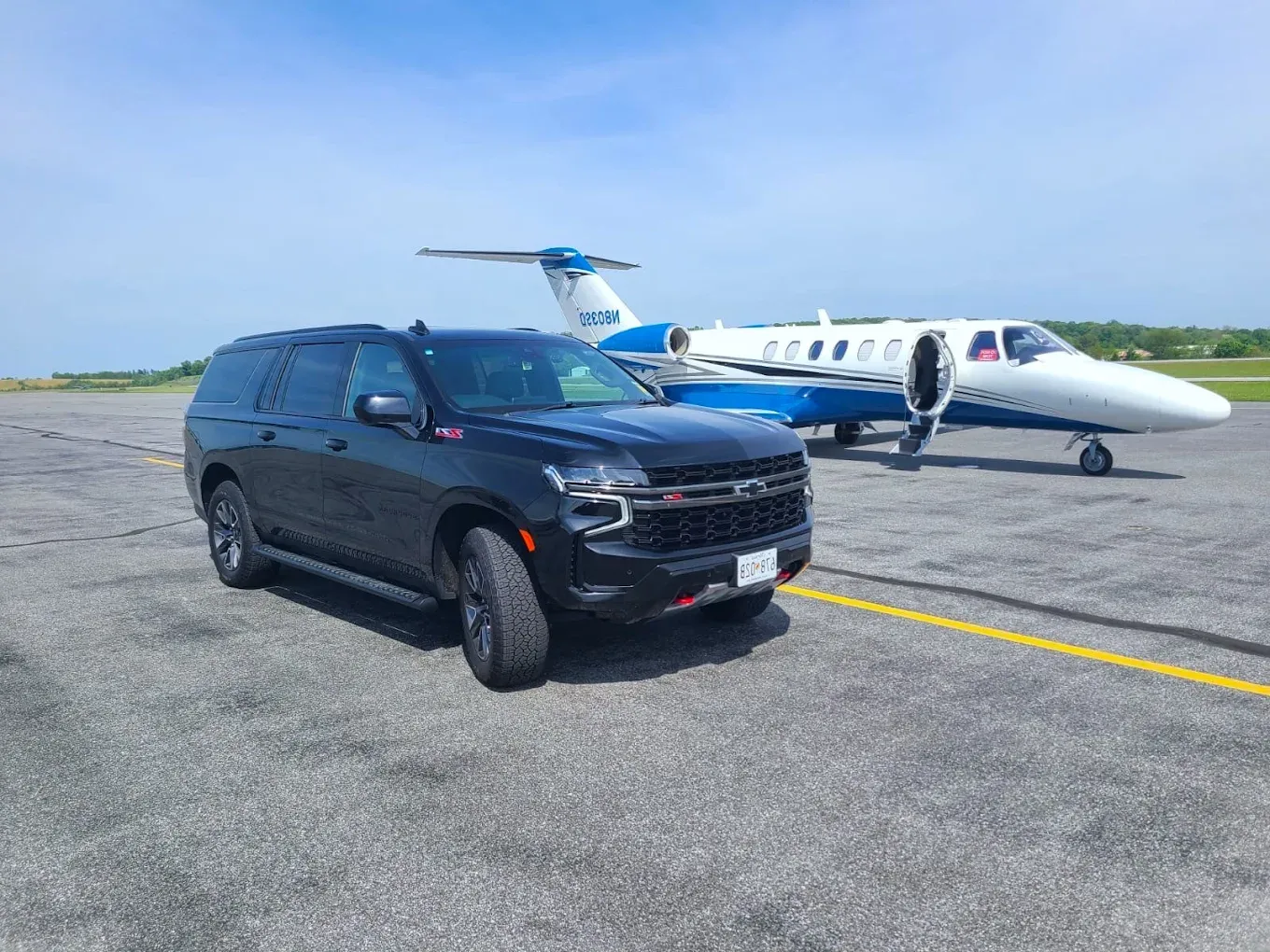
Why Families Choose One Vehicle for Comfortable Group Road Trips
Keep Every Generation Traveling Together
Family trips become harder when several cars follow separate routes. Drivers may miss turns, reach stops late, or lose contact. One long-distance limo keeps relatives together from pickup onward. Shared travel also gives everyone much more time for conversation.
Groups with several age ranges need more than enough seats. Grandparents may require low steps, firm seats, and gentle breaks. Parents may need space for strollers and changing bags. Ask whether the chosen vehicle suits every passenger before booking it.
Young children bring needs that should never remain unconfirmed. Request suitable child seats or boosters during the first booking call. Confirm who installs them and whether parents may inspect them. Families should also share each child’s age, height, and weight.
Match Passenger Space With Luggage Space
Advertised seating does not always leave enough room for belongings. A full cabin may reduce storage for suitcases, strollers, coolers, and gifts. Give the company an exact passenger and bag count. Photographs or measurements can clarify unusual items before departure.
Vehicle choice should reflect distance, comfort, access, and storage needs. Sedans suit smaller families carrying limited bags on shorter routes. Large SUVs give added cargo room but have higher entry steps. Vans usually serve bigger groups with easier movement inside.
Stretch vehicles can feel festive, yet layouts differ between fleets. Side-facing seats may feel tiring after several hours of travel. Forward-facing seats usually support the body better during long rides. Request current inside pictures and the exact vehicle model.
Make Children Comfortable Without Distracting Everyone
Family-friendly features can make quiet hours pass more easily. Ask about air controls, charging ports, wireless internet, and screens. Download shows before leaving because mobile service may vanish between towns. Headphones let children enjoy programs while adults rest nearby.
Pack water, simple snacks, wipes, medicine, and spare clothing nearby. Store these items inside the cabin instead of buried luggage. Check food and drink rules before bringing meals aboard. Spill charges or cleaning fees should appear within written booking terms.
Planned rest stops matter for children, older adults, and worried riders. Discuss restrooms, meal breaks, stretching, and medicine times before leaving. The schedule should allow useful pauses without causing rushed departures. Confirm whether added stops change waiting fees or arrival times.
Coordinate Groups Without Using Several Cars
One vehicle removes the strain of matching drivers and parking spaces. Everyone reaches reunions, vacations, weddings, or holiday visits together. The organizer manages one departure point and one shared schedule. This approach also limits confusion after meals or planned stops.
Group pricing deserves a fair comparison with several other vehicles. Include fuel, tolls, parking, rental fees, and tired drivers. Divide the full quoted price among every paying passenger. Cost sharing may offer good value for families during busy event weekends.
Wedding guests, sports teams, church groups, and friends need different plans. Teams may carry bulky equipment, while wedding parties need garment space. School groups require written consent and enough adult care. Tell the provider each trip purpose before selecting any vehicle.
Build a Clear Family Booking Plan
Choose one family contact who can approve changes during the trip. Provide every pickup address, rider name, phone number, and planned stop. Share mobility needs privately with the booking team before leaving. Written details reduce mistakes when several homes join one booking.
Ask about late arrivals, illness, canceled trips, and group size changes. Confirm payment dates, gratuity, extra time, tolls, and added stops. Request written rules for replacement vehicles after any breakdown. Clear terms protect the whole family when plans change without warning.
Finally, review the trip plan with every adult before departure day. Confirm pickup times, bag limits, seating plans, and emergency contacts. Keep needed medicine, identification, and chargers within easy reach. Good planning turns the shared ride into a warm family memory.
Make Long Airport Transfers Easier From Landing to Arrival
Connect the Flight With the Ground Journey
Landing may end the flight, but another long journey remains. Families can face rental desks, new roads, and heavy bags afterward. A booked long-distance limo links the terminal with one planned ride. Everyone can rest while the chauffeur handles the road.
This service works well when airports sit far from final stops. Common routes reach hotels, resorts, cruise ports, campuses, and second homes. Families also use them for ski towns or beach stays. Direct service removes another transfer between separate travel providers.
Business meetings, medical visits, weddings, and reunions require careful timing. Share the final address and desired arrival time when booking. The company can then estimate road time and useful buffers. This key detail matters when events begin soon after landing.
Plan Pickup Details Before Departure
Flight tracking helps dispatch teams follow early landings or delays. Give the correct airline, flight number, date, and arrival airport. International travelers should also allow time for customs and bags. Tracking supports timing, but it cannot predict every airport delay.
Ask where the chauffeur will wait after the flight arrives. Some airports permit a greeting near baggage claim with identification signage. Others require curbside pickup within set zones and time limits. Written pickup steps prevent confusion inside an unfamiliar terminal.
Keep the dispatch number available before entering the aircraft. After landing, switch on your phone and check new messages. Tell the provider about changed terminals, missed flights, or canceled connections. Fast contact helps the pickup team adjust the plan quickly.
Understand Waiting Time and Delay Rules
Every local provider may start waiting time at a different point. Some allow a grace period after domestic or international arrivals. Others begin billing after the flight reaches the gate. Ask how delayed bags, customs lines, or meals affect charges.
Airline delays may move pickup times without adding a new fare. However, major schedule changes can affect vehicle or driver supply. Review the written policy for delays, cancellations, and missed connections. Confirm whether overnight changes require another booking or added payment.
Connecting airport transfers need larger buffers than ordinary hotel trips. Traffic, security lines, terminal changes, and weather can consume time. Share both flight records before accepting any proposed schedule. No car company can promise that an airline connection will wait.
Match the Vehicle With People and Bags
Airport family groups usually carry more luggage than local ride passengers. Count suitcases, carry-ons, strollers, wheelchairs, and sports equipment. A vehicle may hold every rider without holding every bag. Give exact details before the company confirms your vehicle choice.
Families should request child seats while placing the initial reservation. Travelers needing easier entry should ask about steps and door height. Wheelchair users must confirm suitable space and boarding support. These details cannot wait until the vehicle reaches the terminal.
Luggage help makes arrival easier after a tiring overnight flight. Ask whether the chauffeur meets riders before collecting their bags. Some airport rules restrict drivers from leaving vehicles at curbs. Service details therefore differ between meet and greet and curbside pickup.
Compare the Full Cost and Travel Burden
A private ride may cost more than renting a basic car. Still, rental totals can include fuel, tolls, parking, and coverage. Travelers must also drive after spending hours inside an aircraft. Compare the complete cost alongside time, effort, and group size.
Short flights can appear faster between distant cities on road maps. Yet airport check-in, screening, boarding, and baggage add hours. Road service may work better for direct regional destinations. Compare door-to-door time before choosing another short flight.
Confirm the Final Journey in Writing
Before departure, review names, phone numbers, flight details, and destinations. Confirm the total fare, tolls, waiting rules, and payment terms. Request instructions for breakdowns, road closures, and vehicle changes. Clear records help families begin the final journey with fewer concerns.
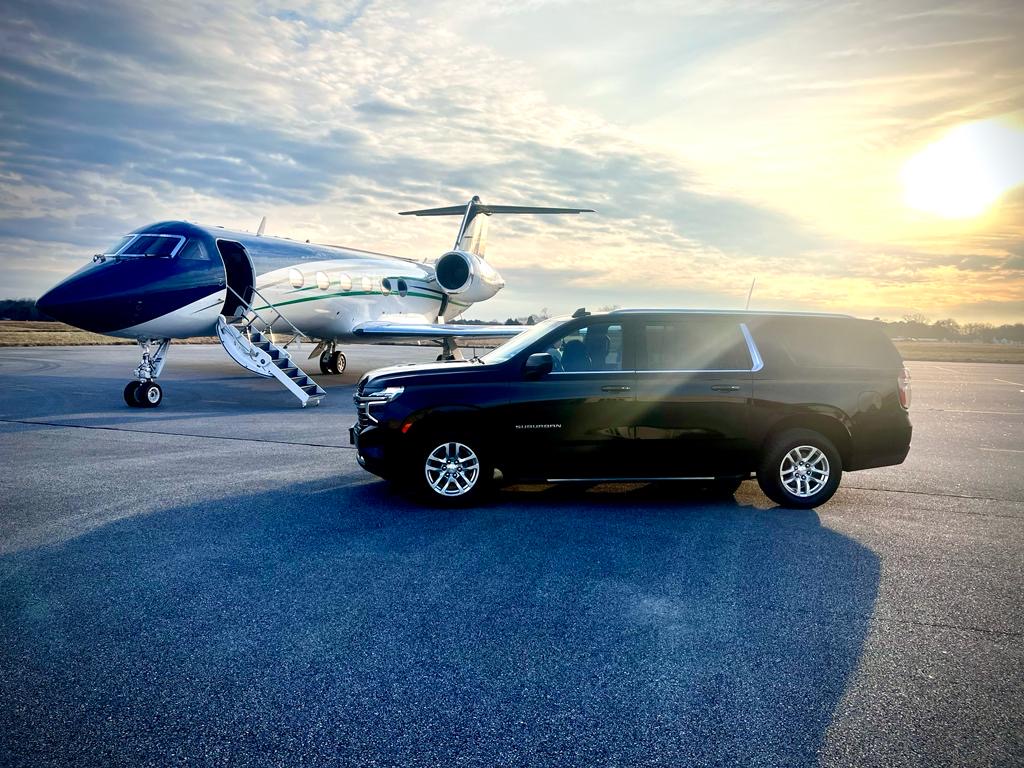
Turn a Distant Celebration Into One Shared Experience
Begin the Celebration Before Reaching the Venue
Special events feel different when travel becomes part of the occasion. A long distance limo lets friends or relatives celebrate between cities. Nobody must split attention between driving and shared moments. The group arrives together with energy for the main event.
Destination weddings, anniversaries, birthdays, and graduations involve more than mileage. Clothing, gifts, flowers, and personal items require suitable storage. Guests may also need several pickups across nearby towns. Share every address early so the trip follows one clear order first.
Concerts, festivals, sports finals, and award shows create heavy traffic. Entry lines and road closures may delay vehicles near large venues. Ask where dropoffs and pickups are allowed under local rules. A clear meeting point prevents confusion when crowds leave together afterward.
Build the Schedule Around Every Event
Wedding weekends may include dinners, ceremonies, receptions, and morning brunches. Multi day plans require exact times for every planned movement. Give the provider a written schedule with venue contacts. Add enough time for photos, clothing changes, speeches, and late finishes.
One main contact should manage updates for the whole group. This person can approve changed times or added stops. The chauffeur should not receive mixed requests from several riders. Simple control keeps the event plan clear during busy moments today.
Build useful time buffers before ceremonies, dinners, or reserved shows. Event traffic rarely follows normal estimates during major weekends. Weather can also slow rural roads near distant venues. Leaving some extra time protects key moments without making guests feel rushed.
Select a Vehicle That Fits the Occasion
An elegant sedan may suit couples planning an anniversary getaway. Larger SUVs can serve small groups with formal clothes. Vans work well for wedding guests or company event teams. Stretch vehicles bring visual style, but cabin layouts need careful review.
Ask for recent pictures of the exact booked vehicle. Check seating direction, entry height, air controls, and storage room. Formal dresses and suits may need hanging space nearby. Rider comfort matters more than outside size during longer event trips today.
Useful event features should support comfort during several travel hours. Ask which items come standard and which require added payment. Check that every promised feature suits your event needs. Helpful cabin choices may include these simple items for all event guests:
- Chilled water and cups
- Charging ports for phones
- Music connection options
- Room for formal clothing
Refreshments, glasses, decorations, and music require approval before departure. Providers may restrict alcohol, open food, candles, glitter, or wall decor. Ask about all cleaning fees and local age rules. Written approval first avoids a poor surprise during the whole celebration.
Plan Stops Without Losing Event Time
Photo stops can add meaning during scenic anniversary or wedding routes. Choose legal areas with simple vehicle access and enough parking. Tell the company how long each stop should take. Unplanned pictures may create overtime or delay the venue arrival.
Bachelor weekends, reunion trips, and holiday outings may visit several places. List restaurants, hotels, venues, and after parties in order. Confirm whether the vehicle remains nearby between each planned stop. Waiting rules can change the price during long event days.
New Year’s Eve and festival nights need added planning care. Roads may close while phone service becomes slow near crowds. Choose one exact pickup zone before entering the main venue. Every rider should save the company number and vehicle details.
Review Price, Conduct, and Return Terms
Event quotes should show mileage, hours, tolls, parking, and gratuity. Ask whether overtime uses hourly blocks or smaller time units. Overnight trips may include hotel costs for the chauffeur. Confirm every likely fee now before paying the first trip deposit.
Review rules for canceled trips, added riders, messes, and lost items. Groups should understand smoking, drinking, and conduct limits before leaving. The agreement should explain vehicle changes and road trouble. Clear rules protect both the event plan and final bill.
Finish the Event With a Planned Ride Home
Return travel deserves the same care as the main arrival. Confirm the last pickup time, final rider count, and closing venue. Tired guests should know exactly where their vehicle waits. A planned departure closes the occasion calmly and keeps everyone together.
Frequently Asked Questions
How Much Does a Long Distance Limo Cost?
Prices depend on mileage, vehicle type, trip hours, and planned stops. Request a written quote showing tolls, waiting time, and gratuity.
How Early Should Families Book Their Ride?
Book several weeks early for weekends, holidays, weddings, or major events. Early booking provides more vehicle choices for larger family groups.
Can Families Request Child Seats?
Many companies offer child seats when requested during the booking process. Share each child’s age, height, and weight before confirming service.
Can Travelers Schedule Meal and Rest Stops?
Yes, most providers allow planned meal, restroom, and movement breaks. Confirm each stop because added waiting time time may change pricing.
How Much Luggage Can the Vehicle Carry?
Capacity depends on vehicle size, passenger count, and baggage dimensions. Report suitcases, strollers, wheelchairs, and large equipment before booking.