

Airport travel often feels rushed before the plane even leaves. Traffic, parking, long walks, and late pickups can drain valuable time. One small ground delay may upset check-in, baggage, and boarding plans. That pressure makes the ride itself a key travel choice.
Fast airport rides offer a direct, planned way to reach terminals. Prebooked pickup times, clear trip details, and flight tracking reduce guesswork. Travelers gain more control without parking searches or added transit stops. This guide explains their benefits, costs, options, and best booking steps. You will learn where time gets saved and which choice fits.
Airport trips move quickly, yet ground travel can create hidden delays. Parking searches, shuttle waits, and unclear pickup points often waste minutes. A well-planned ride removes extra steps before or after each flight.
A fast ride does not mean speeding on busy roads. True speed comes from sound planning, direct routes, and clear details. The provider receives your pickup address, flight time, terminal, and bag count. Those facts help staff set a useful pickup window and vehicle size.
For departure trips, drivers collect passengers at a set location. Direct terminal drop-off removes parking, long walks, and garage shuttle waits. Arrival trips need a different plan because baggage claim takes time. Customs can add more time after many flights from other nations.
Flight tracking helps the team note delays or early landings. Clear contact steps make quick airport pickup much easier after landing.
The best fast airport transfer depends on timing, cost, and trip needs. No single choice fits every traveler, city, or flight schedule. Compare each option using facts rather than broad service claims.
Use these points when comparing each airport travel option:
A private car may suit business travel, families, or larger bags. Shared shuttles may cost less but often include extra passenger stops. Taxis offer quick access, though prices and vehicle sizes may vary. App rides can work well when nearby drivers accept the request. Public transit may suit light travelers during normal service hours.
A time-saving airport ride begins with complete and correct trip details. Share the airline, flight number, pickup address, and total passengers. Add each checked bag, stroller, child seat, or mobility aid. These details prevent loading issues that can slow the planned departure.
Next, confirm whether pickup occurs curbside or inside the terminal. Some airports place taxis, shuttles, and app rides in separate zones. A clear meeting point reduces calls, walking, and missed driver contact.
Pickup timing should include road traffic and airport check-in needs. Domestic and global flights often require different arrival time margins. Travelers should follow airline advice for check-in and bag drop times.
The fastest airport transport claim means little without clear service facts. Look for written rates, useful reviews, and easy booking support. Read wait, cancel, and change rules before paying the fare. Confirm whether the quoted price includes tolls and airport access fees.
Modern traveler airport transport should balance time, comfort, and fair cost. Business guests may value privacy and quiet time before meetings. Vacation groups may value one vehicle and enough bag space. Solo guests may prefer a simple ride with clear pickup steps.
The best fast airport option removes avoidable work from your journey. Good planning supports faster airport travel from door to terminal. It also creates a smoother return after baggage claim ends.
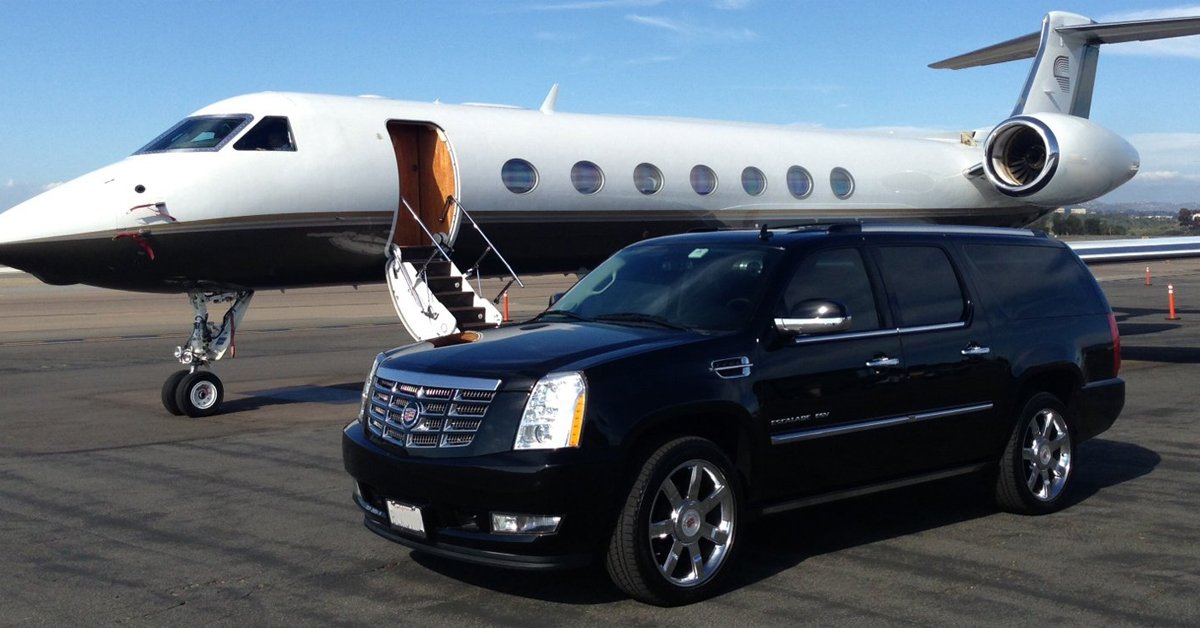
Travel time feels more valuable when every minute affects another plan. A late pickup can shorten check-in time or delay a meeting. Parking, extra stops, and long walks create more work. Direct airport service removes several tasks from one busy day.
The main benefit comes from cutting steps, not driving faster. A set pickup removes the need to search for nearby cars. Direct drop-off avoids parking lots and added terminal shuttle rides. Clear flight details also help drivers reach the correct terminal.
After landing, clear pickup steps can reduce curbside wait time. Flight tracking may help providers respond when arrival times change. This shared contact keeps the pickup plan clear and useful.
These time-saving airport transfer benefits matter most during strict schedules. Business guests can protect meeting time after an early arrival. Families can keep children, bags, and travel plans together. Vacation groups can begin their trip without renting several vehicles.
Comfort supports better use of time before and after flights. A clean seat and enough space can ease travel strain. The right vehicle also holds bags without rushed loading changes. Larger groups may choose an SUV, van, or private shuttle.
Privacy gives business guests time for calls, notes, or rest. Parents can focus on children without changing trains or buses. Older guests may prefer less walking between several travel points.
A quick and comfortable airport transfer should match actual needs. Travelers should share passenger totals, bag counts, and special items. Child seats, strollers, sports gear, and mobility aids need prior notice.
Price matters, but the lowest fare may not offer value. Compare the full cost instead of one listed amount. Parking, fuel, tolls, access fees, and wait charges can add up quickly. Groups should compare one vehicle rate with several person-based fares.
An upfront quote helps busy travelers plan trip costs with care. However, every quote needs a review of included charges. Extra stops, long waits, or schedule changes may change pricing. Clear terms help guests compare value without broad speed claims.
The value grows when a ride protects useful work hours. An executive may finish notes while the driver handles traffic. A family may avoid parking fees during a long vacation. Good value comes from saved effort, clear costs, and direct travel.
Different guests value different parts of the same service. These common gains show why direct airport travel remains popular:
No airport option works best for every person or trip. Public transit may suit light bags and open schedules. Shared rides may fit guests who accept extra passenger stops. Private service may suit firm times, larger bags, or added privacy.
The strongest benefit is greater control over the ground journey. Travelers know the pickup plan, meeting point, and vehicle type. That balance of speed, comfort, and clear planning supports better trips.

Airport travel involves more than minutes spent inside a vehicle. Every handoff, wait, wrong turn, and parking task adds time. That lost time matters when check-in or boarding windows approach. Fast Airport Rides reduce these steps through careful trip planning. Real speed comes from good timing, clear details, and direct service.
Start with boarding time because gates often close before departure. Then allow time for screening, bag checks, and terminal walks. International flights usually need more time than domestic trips require. Large airports may also require longer walks or terminal transfers. Add extra minutes for traffic, weather, road work, and crowds.
A useful plan includes these clear time-saving steps:
This plan creates a useful, faster airport travel checklist. It also supports travelers facing a time-critical airport ride. Leaving later may seem smart, but it reduces useful flexibility. A planned buffer protects your schedule when common delays appear.
Several small choices can reduce airport travel time before pickup. Complete online check-in when your airline allows that option. Prepare travel papers, identification, and bag labels the previous evening. Place luggage near the pickup point before your driver arrives. Share the flight number, terminal, passenger count, and bag total.
Choose a vehicle with enough room for every passenger’s luggage. Poor vehicle sizing can delay loading or require another ride. Request child seats or access support during booking, not pickup. These details support a time-efficient airport ride from the beginning.
For early flights, confirm service hours and pickup details beforehand. During busy periods, reserve sooner because vehicle choices may narrow. A quick airport drop-off still depends upon smart preparation.
Arrival trips need different timing because landing never means curb-ready. Passengers may face taxiing, baggage claim, immigration, or customs. Flight tracking can adjust pickup planning after sudden schedule changes. However, travelers should still confirm the correct terminal meeting point.
Curbside pickup may suit travelers carrying only small bags. Meet-and-greet service may help families, groups, or first-time visitors. Each choice affects walking time, wait time, and pickup speed. Clear phone contact helps both sides handle terminal changes.
Ask when waiting periods begin after domestic and international arrivals. Also review fees when baggage or customs takes longer. These questions support quick pickup without creating false speed promises.
Business travelers value saved minutes because meetings may follow flights. Families value fewer transfers, shorter walks, and simpler luggage handling. Older travelers may prefer clear pickup points and patient loading. The right service meets timing needs without encouraging driver speeding.
Before booking, compare these practical parts of every service:
Time savings come from fewer weak links within each trip. Direct routing helps, yet clear communication often saves more minutes. Accurate details prevent terminal errors, missed pickups, and needless waiting. Together, these steps support faster travel from door to terminal.

Choosing airport transport involves more than finding the lowest listed price. Pickup timing, luggage space, wait rules, and privacy also matter. Each option works well for certain travelers and trip needs. The right choice depends upon your schedule, group, and airport. A fair airport ride comparison should examine the entire trip.
Rideshare apps offer quick booking and clear driver location updates. They often suit solo travelers with flexible plans and light luggage. However, airport demand can affect prices, wait times, and driver supply. Some airports require passengers to reach special rideshare pickup zones. That walk may involve elevators, buses, or distant parking areas.
Drivers usually receive trip details shortly before accepting each request. Vehicle size and luggage space may differ from passenger expectations. A canceled ride can also require another booking and added waiting. These points matter when comparing a private transfer versus Uber airport service.
Rideshare may still work well when these conditions apply:
Airport taxis usually wait at marked stands outside terminal areas. This setup removes app matching and may support quick departure. Taxi lines can move quickly when vehicles remain readily available. Yet busy arrival periods may create queues or limited vehicle choice.
Metered pricing may change with traffic, distance, tolls, or waiting. Some cities use fixed airport rates for certain travel zones. Travelers should check local pricing rules before entering any taxi.
Taxis may also help when phone service or app access fails. However, advance vehicle requests may offer fewer options than private bookings.
Private airport rides usually begin with an advance confirmed reservation. Travelers can share flight details, luggage counts, and access needs. Providers may track flight changes and revise arrival pickup timing. Many services also offer curbside or meet-and-greet pickup choices.
A reserved vehicle can match families, business groups, or large bags. Clear driver contact may reduce confusion after terminal or gate changes. Private service may also provide stated wait and cancellation terms. These features explain why private airport service sometimes beats rideshare options.
However, private transport often requires earlier booking and careful trip details. Its price may exceed basic rideshare fares during quiet periods. Travelers gain the most value when timing and space matter.
No single option fits every airport trip or travel budget. Compare the full price instead of viewing only the first fare. Include tolls, airport fees, surge pricing, waiting, and gratuity rules. Then review pickup distance, vehicle size, and schedule flexibility.
Use this simple decision guide before making your final booking:
For tight schedules, ask providers how pickup timing actually works. For arrivals, ask when waiting charges begin after the flight. For groups, compare total cost rather than each listed fare. The best airport transport option should fit your real priorities.

A private airport ride offers more than a quiet vehicle. It connects planned pickup, direct travel, and personal trip details. That structure appeals to travelers who value time and clear service. Fast airport rides become more useful when every detail matches.
A professional chauffeur follows a confirmed pickup plan before arrival. The booking may include flight numbers, terminals, bags, and passenger needs. These details help the driver prepare for each specific trip. They also reduce questions during busy departure or arrival periods.
For departures, the driver collects travelers from their chosen address. Direct transport removes parking searches, shuttle transfers, and long garage walks. The driver can use legal routes based on current road conditions. However, good planning still requires a sensible airport arrival buffer.
For arrivals, flight tracking can support changes after late landings. Travelers should share phone details and confirm their meeting method. Curbside pickup works differently from an indoor meet-and-greet service. Clear steps help travelers find their chauffeur without added confusion.
Many business travelers need quiet time before their next meeting. A private cabin can support calls, emails, reading, or rest. Passengers avoid sharing space with strangers or making added stops. This direct setting explains the growth of executive airport service.
Families also gain value from staying inside one reserved vehicle. Parents can request suitable space for strollers, bags, or child seats. Groups can reserve larger vehicles while keeping their plans together.
Common chauffeured airport service benefits include these practical features:
The title chauffeur should represent more than formal clothing. Good providers set clear rules for contact, waiting, and cancellations. They also explain vehicle classes, included charges, and extra fees. Travelers should review service terms before paying any booking amount.
Ask whether the quoted price includes tolls and airport charges. Confirm how long the driver waits after a flight lands. International arrivals may need more time for customs and bags. Also ask how early arrivals or terminal changes are communicated.
Provider checks should cover several important service details:
These checks help separate real service quality from premium wording.
Private Limo service often fits tight schedules, groups, families, and executives. It also suits travelers carrying many bags or special gear. The higher price may bring value through direct service and planning.
Yet private transport does not fit every simple airport trip. A taxi or rideshare may suit flexible travelers with light bags. Shared shuttles may work better when saving money matters most. Travelers should choose private airport rides when their needs justify them.
Growing demand comes from control, comfort, privacy, and fewer steps. A professional driver supports the plan without making speed claims. That balanced service makes airport travel more efficient and easier.

Airport trips feel easier when fewer tasks stand between each point. Door-to-door service joins your pickup address with the correct terminal. Travelers avoid parking, garage walks, rental returns, and vehicle changes. Fast airport rides add value when convenience begins at booking.
A door-to-door airport ride may begin at many common locations. Homes, hotels, offices, resorts, and rental homes often qualify. However, drivers need exact details for large or gated properties. Building names, unit numbers, entrances, and gate codes prevent confusion.
Some streets limit stopping because of traffic or local rules. In those cases, providers may suggest a nearby legal pickup point. Confirming that point early supports a calm and prompt pickup.
Bags can remain packed and placed near the chosen exit. Parents should confirm child seats before the travel date.
Driving yourself creates several tasks beyond the actual road trip. Travelers must find parking, unload bags, and reach the terminal. Remote lots may require another shuttle before airport check-in begins. Rental cars can add fuel stops, inspections, and return lines.
A direct airport transfer removes many of those added steps. The traveler enters one vehicle and exits near the terminal. This service can reduce travel stress without guaranteeing perfect timing. Traffic, weather, road work, and airport rules still affect trips.
Door-to-door service can make these parts easier:
Convenience comes from fewer handoffs, not from rushed driving. A professional airport ride should support comfort and lawful road use.
Airports may have several terminals, levels, and airline entrance zones. Sharing the airline and flight number helps confirm the correct terminal. Travelers should still check final flight details before leaving home. Airlines sometimes change terminals or check-in areas without much notice.
Domestic and international departures may use different entrance points. Large groups may need more unloading time at busy curbs. Drivers must follow airport stopping limits and staff directions. Therefore, curb-to-gate service never means driving directly beside security.
Passengers still complete check-in, screening, and their gate walk.
Arrival pickup begins after the traveler becomes ready to leave. Landing time differs from actual pickup time after baggage or customs. Flight tracking can help providers follow early or delayed arrivals. Yet travelers should report terminal changes and unusual baggage delays.
Curbside pickup often requires a call after reaching the assigned zone. Meet-and-greet pickup may place the driver inside the terminal. Each airport sets its own rules for private vehicle access. Travelers should confirm the exact process before their flight departs.
Before booking, review these practical service terms:
Reliable airport transportation depends upon clear plans from both sides. Travelers provide correct details, while providers explain each pickup step. This shared planning creates an easier airport journey without vague promises.

A late pickup can shrink your airport schedule within minutes. Yet urgent driving cannot restore time lost through weak planning. The better answer combines early booking, accurate timing, and clear contact. It also leaves room for traffic and airport processing delays. Planned airport rides support schedules through preparation, never reckless speed.
Early flights create special transport issues before public transit starts. Rideshare supply may also remain limited during very early hours. A reserved airport ride confirms the request before the travel date.
Plan backward from the airline’s advised airport arrival time. Add driving time based on distance and expected road conditions. Then add a sensible buffer for traffic or pickup issues.
Prepare bags, identification, and travel papers before going to sleep. Confirm your terminal because some airlines use more than one. Keep your phone charged and listen for driver contact updates.
Contact the provider when your vehicle misses its pickup window. Ask for the driver’s location and a realistic arrival estimate. If the delay grows, compare another lawful transport option. Waiting without clear updates can consume your remaining time quickly.
Travelers should never ask drivers to exceed legal road limits. Faster service means fewer stops and better route choices. It never means risky driving or an airport arrival guarantee.
Keep these details ready during an urgent airport pickup:
Clear facts help the provider judge whether service remains realistic. Honest timing matters more than hopeful or vague arrival promises.
Flight tracking mainly helps providers plan airport arrival pickups. It shows when an inbound flight arrives early or late. The service can then revise driver timing within its stated rules. Travelers should still report terminal changes or long baggage delays.
It also cannot prevent every waiting fee after a late arrival. Review the provider’s grace period and waiting terms before booking.
For departure trips, airline schedules help set pickup planning. Tracking does not replace a confirmed pickup time or travel buffer.
Most connecting flights happen inside the airport after security screening. Ground transportation cannot help with those normal airside connections. Follow airline signs or airport transfer instructions between connecting gates. Contact the airline when a delay threatens your next flight.
Some flight plans require travel between two separate airports. Those transfers need exact flight details and realistic road timing. Baggage collection, customs, and another check-in can add major delays. A private ride may reduce stops between the two airports. Still, no provider can promise that every connection will work.
If you miss departure, contact the airline as soon as possible. Ask about rebooking, standby choices, and checked baggage handling. Cancellation or change fees may apply under the booking terms.
Strong schedule management starts long before the pickup begins. Reserve early during holidays, weekends, and major local events. Verify every detail the day before leaving for the airport. Good transport planning protects useful time without making false claims.
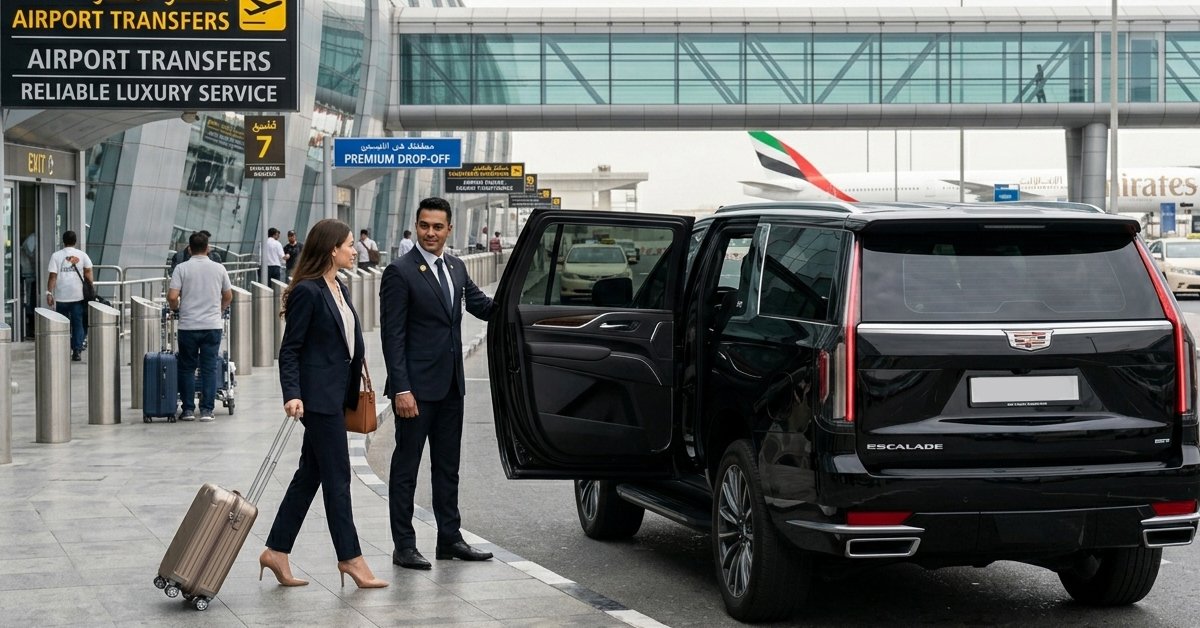
Airport time savings begin before anyone closes the front door. Good plans connect pickup timing, terminal needs, bags, and flight rules. These ten tips support an easier journey from home to destination. Fast Airport Rides work best when travelers prepare each stage.
Airlines may suggest different arrival times for domestic and international flights. Airport size, travel dates, and checked bags can change needs. Use current airline guidance instead of following one fixed rule.
Start with the suggested arrival window, then add road time. Include likely traffic, weather, construction, and terminal entrance delays. Your pickup time should include a useful buffer for common changes.
Pre-booking gives providers time to match vehicle size and schedule. Reserve earlier during holidays, weekends, conventions, or major local events. Last-minute bookings may offer fewer vehicles or less flexible timing.
Provide your address, airline, flight number, terminal, and total number of passengers. Include checked bags, child seats, mobility needs, and large items. Correct details help prevent loading issues and terminal drop-off errors.
Finish packing before the driver reaches your chosen pickup point. Keep identification, boarding details, and needed papers easy to reach. Online check-in may save time when your airline permits it.
Airlines sometimes operate from several terminals within one large airport. Check your airline app again shortly before vehicle departure. A wrong terminal can add long walks or another shuttle.
Screening rules can change by airport, route, or traveler status. Review official guidance for liquids, devices, shoes, and travel papers. Pack needed items where officers can inspect them without delay.
Useful departure checks include these simple actions:
Curbside service may suit passengers with light luggage and clear directions. Meet-and-greet support may help families, groups, or first-time visitors. Airport rules determine where each pickup method can operate.
Landing time never equals the exact time passengers reach pickup. Checked bags, immigration, customs, and long walks can add time. Ask when the provider’s included waiting period actually begins.
Turn on your phone and check messages after leaving aircraft mode. Tell the provider about baggage delays or changed pickup zones. Follow airport signs toward the assigned private transport meeting area.
No single departure time works for every traveler or airport. Families, groups, and international passengers may need larger time buffers. Solo travelers with carry-on bags may complete some steps faster.
A useful airport timing guide connects each stage without false promises. Plan before departure, stay informed inside, and communicate after landing. Those habits save time while keeping the complete journey organized.
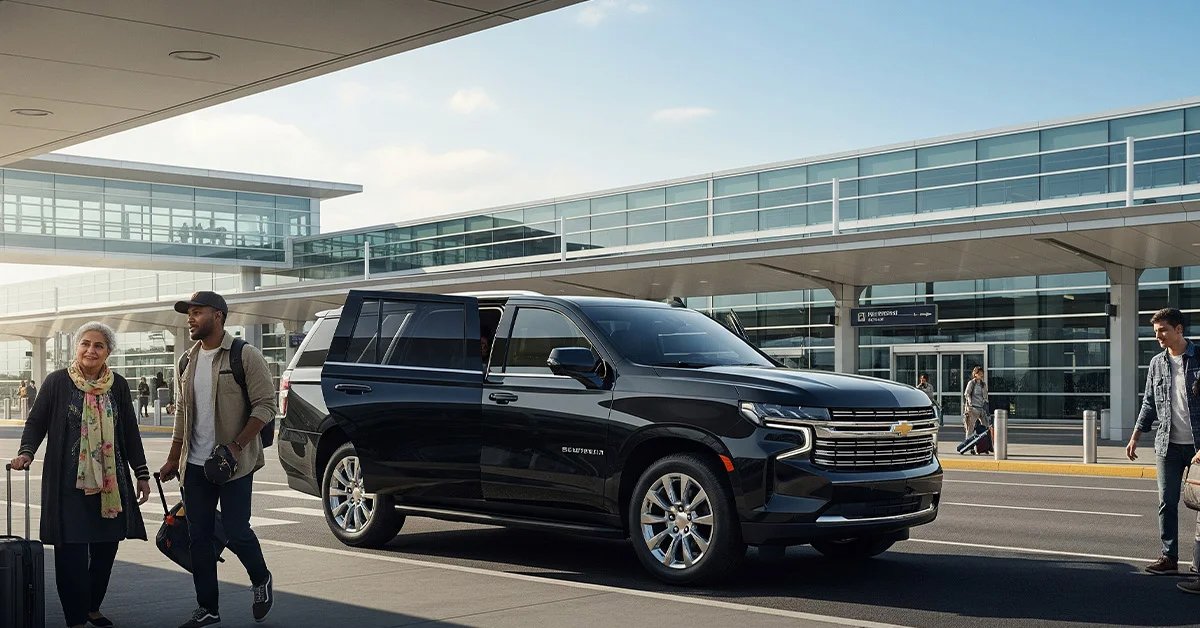
VIP travel is not simply about leather seats or polished vehicles. Time, privacy, clear contact, and personal service carry greater value. Busy travelers often need transport that follows a detailed schedule. Fast Airport Rides can meet those needs through careful service.
A strong booking process gathers every detail before assigning the vehicle. These details include flight data, passengers, bags, and pickup access. An assistant may book for an executive, speaker, artist, or guest. Therefore, providers need both passenger and booking contact details.
The confirmation should list addresses, times, vehicle class, and price. It should also explain waiting, cancellation, toll, and parking terms. Good service gives travelers useful facts before payment becomes final.
Vehicle choice should reflect comfort needs and practical space. A sedan may suit one traveler with light luggage. An SUV may fit more bags, passengers, or large equipment. Larger groups may need vans instead of several separate vehicles.
Premium comfort should help passengers rest, work, or prepare. A quiet private cabin may support calls, notes, or reading. Direct travel also avoids stops for other unrelated passengers.
Travelers should confirm any stated vehicle features before booking. Internet access, charging ports, water, or privacy glass may vary. A premium label alone never confirms every feature or vehicle model. Written details provide a clearer view of the actual service.
Useful VIP airport transportation benefits may include these features:
These features create value through order, comfort, and fewer interruptions.
Private jet airport transfers may use fixed-base operators instead of terminals. These facilities often have separate entrances, waiting areas, and road access. The booking must include the correct airport and facility name. A tail number may help when permitted and needed for dispatch.
Private passengers may reach their vehicle faster after landing. However, access rules vary between airports and aviation facilities. Drivers must follow every local rule for vehicle placement and waiting.
For commercial arrivals, VIP services may include indoor meeting support. The driver may wait near an approved baggage or arrival area.
Many executives and public guests prefer limited trip sharing. Providers should collect only details needed for the booked service. Assistants should confirm who receives driver updates and billing records. Passengers may also request quiet service during the vehicle trip.
Drivers still follow road laws, access rules, and staff directions. Professional conduct should remain calm, polite, and focused on service.
Luxury airport transportation usually costs more than basic transport options. The value comes from matched service, clear plans, and private space. Travelers who value time may accept that higher total cost. Yet every premium claim should connect with a real service feature.
Before paying, compare the complete quote and provider standards. Review recent feedback about timing, contact, comfort, and billing clarity. Confirm support options if flight or meeting plans change. The right premium airport ride balances speed, comfort, and control.
A faster ride reduces waiting, vehicle changes, parking, and extra stops. Booking, direct routing, flight tracking, and clear pickup details also help. Actual travel time still depends on traffic and airport rules.
Book several days early when your schedule and flight details become firm. Reserve sooner during holidays, weekends, conventions, and other busy travel periods. Early booking also gives you better options for groups and large luggage.
Many private providers track flights and adjust driver timing when possible. However, waiting periods and pickup rules differ between service companies. Review grace periods, added fees, and contact steps before booking.
Private transfers suit travelers wanting planned pickup, direct service, and matched vehicles. Taxis work well when terminal stands have available cars. Rideshare may suit flexible trips with light bags and simple pickup needs.
Share your flight number, airline, terminal, address, and pickup time. Include passenger totals, luggage counts, child seats, and access needs. Correct details help providers assign suitable vehicles and meeting points.
Fill out the form below and our team will reach out to you as soon as possible.

Frontline Limousine & Chauffeured Service provides trusted black car service Baltimore Maryland travelers rely on for airport rides, business travel, weddings, and private transportation throughout nearby areas.
Operating Authority:
PSC: 6544
USDOT #: 5068123
Frontline Limousine & Chauffeured Service provides reliable luxury transportation with professional chauffeurs and clean premium vehicles.
Accepted Credit Cards

© 2026 Frontline Limo | All Rights Reserved.