

A polished vehicle can hide weak service behind an impressive first look. Missing permits, vague prices, and unclear driver checks create real concern. Travelers may notice these issues only after sharing payment details. That is why careful checks matter before any reservation becomes final.
The right black car service provides clear records, terms, and contact details. Simple checks can reveal how companies handle drivers, vehicles, and changes. This guide explains what to verify, compare, question, and confirm. You will gain a clear process for booking with greater confidence.
Choosing reserved transportation takes more than admiring a polished sedan. A smart review checks the company, chauffeur, vehicle, price, and terms. Those details reveal whether the ride matches your schedule and needs. They also prevent costly surprises after the booking becomes final.
Start by confirming the company’s legal name, address, and working number. Then request its operating permit and current commercial insurance details. Local rules differ, so confirm requirements with the proper transport authority. A vehicle’s color never proves that its operator meets them.
Ask whether the company runs vehicles or uses outside affiliate partners. Booking platforms may assign another operator after accepting your request. Request the assigned company’s name before paying whenever that is possible. This step clarifies who carries insurance and handles service problems.
Select the trip format before comparing prices or vehicle classes. Point-to-point rides suit direct journeys with a clear pickup time. Hourly bookings support meetings, changing plans, or several planned stops. Airport transfers need flight tracking, terminal knowledge, and defined waiting terms.
Common booking needs include:
Match passenger count, luggage, and access needs with written fleet details. Confirm child-seat types, installation duties, and any added booking charge. Groups may need an SUV or van instead of several sedans. Medical visits may require extra time, assistance, or easier vehicle access.
A useful quote shows every charge before you enter payment details. Check base fare, hourly minimums, tolls, parking, and airport fees. Review waiting time, added stops, gratuity, cleaning, and cancellation rules. Compare the final total, since low starting prices can mislead.
Ask what happens when flights change or a vehicle becomes unavailable. Written terms should explain substitutions, driver delays, and support contacts. They should also cover cancellations, no-shows, refunds, and billing disputes. Clear answers show how the company manages real travel problems.
Before departure, request the chauffeur’s name and direct contact method. The company should also provide vehicle details and license information. Share flight numbers, pickup points, luggage needs, and special requests early. Keep the confirmation and receipt where you can reach them.
First-time users should compare service fit, not luxury claims alone. Taxis offer quick street access, while rideshares use changing driver supply. Limousines may favor events, while sedans fit discreet daily travel. The right choice matches timing, support, space, and price expectations.

Travel feels easier when each ride follows a clear service plan. Reserved transport removes many unknowns linked with last-minute travel choices. Travelers know the pickup time, vehicle class, and quoted price. That clarity supports calmer decisions before airports, meetings, or special events.
Reliable timing matters because one late pickup can disrupt everything afterward. Pre-booked rides give dispatch teams time to plan drivers and routes. Flight tracking also helps teams adjust pickups after schedule changes. Written waiting rules provide added clarity when an aircraft arrives late.
Door-to-door pickup removes parking searches, shuttle transfers, and long walks. Meet-and-greet service can simplify arrivals inside unfamiliar airport terminals. Chauffeurs may also assist with luggage from pickup through drop-off. These features reduce physical effort during demanding or lengthy travel days.
Well-kept vehicles offer clean seating, steady climate control, and useful space. Fleet choices let riders match comfort with passengers and luggage. Sedans work well for solo travelers and business pairs. Larger vehicles better serve families, groups, equipment, or several suitcases.
Private seating gives executives room for calls, messages, and quiet work. Conversation stays within the reserved vehicle instead of shared transport. Consistent cabin standards also support rest between flights or meetings. That personal space can make paid travel time more useful.
Trained chauffeurs bring route knowledge, calm conduct, and direct support. Screening records and driving checks should still receive careful review. Commercial insurance adds another important layer of passenger protection. Real-time ride monitoring may help dispatch respond when plans suddenly change.
Recurring users benefit when service records retain approved travel needs. Saved preferences may cover vehicle class, pickup notes, and billing details. Corporate accounts can support receipts, travel rules, and central booking. Membership plans may add quicker booking or set account benefits.
Pre-booked rates can reduce uncertainty caused by changing demand prices. However, travelers should compare the full fare with every added charge. A higher price may include waiting, tracking, support, and luggage help. Its value depends on which benefits the passenger will actually use.
The strongest benefit comes from steady service across every reservation. First-time riders gain clear guidance, while regular users gain familiar standards. Still, each feature should appear within the written booking terms. Verified details turn comfort claims into value travelers can measure.
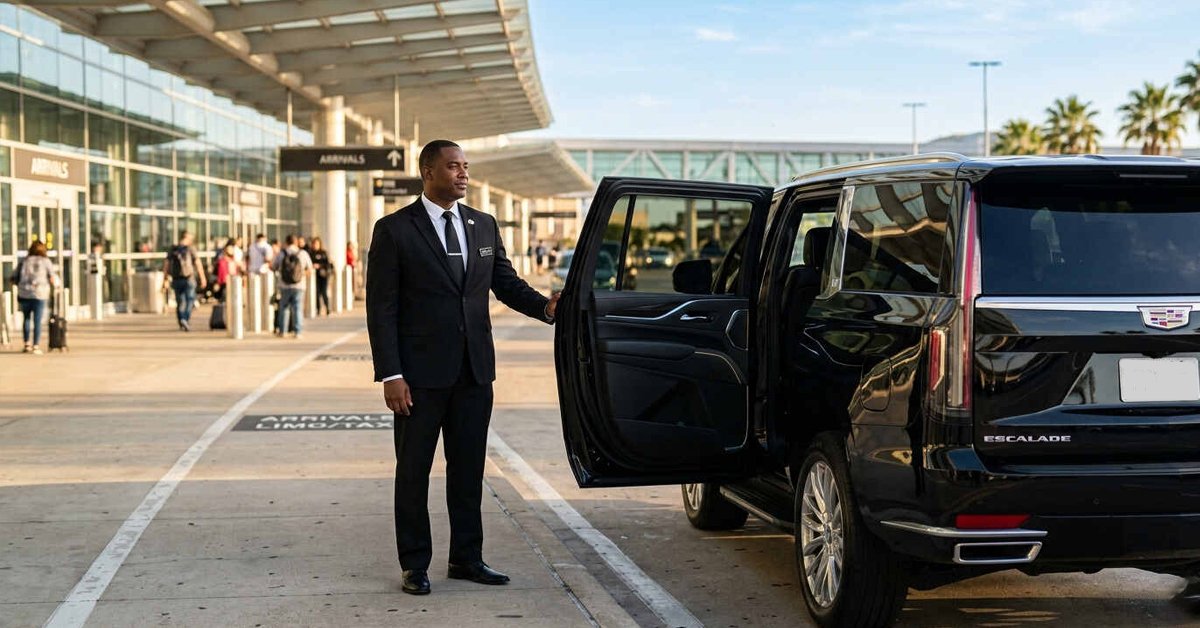
Airport transportation works best when every detail is confirmed before departure. A reserved ride connects home, terminal, hotel, and meeting plans clearly. It also reduces uncertainty during early departures or late arrivals. However, good results still depend on accurate booking information.
Share the airline, flight number, travel date, and passenger count. Add the correct airport, terminal, pickup address, and contact number. International trips may require more arrival time than domestic flights. Follow official airport guidance when choosing your planned terminal arrival.
Flight tracking helps dispatch notice delays, cancellations, or early landings. Yet tracking cannot replace clear contact after major schedule changes. Tell the company when airlines change flight numbers or arrival airports. Confirm whether monitoring changes pickup time without an added fee.
Departure rides usually end near the airline’s assigned check-in area. Arrival pickups may use curbside, staging lots, or terminal meeting points. Airport rules control where hired vehicles may stop and wait. Ask for written pickup steps before entering baggage claim areas.
Meet-and-greet bookings place a chauffeur inside an approved arrival zone. Curbside pickups require passengers to contact dispatch after collecting bags. Neither option always means immediate pickup because airport access rules vary. Confirm the meeting sign, contact method, and expected response time.
Waiting policies become important when baggage or immigration takes longer. Check the included grace period and its exact starting point. Ask when waiting charges begin and how they are calculated. International arrivals usually need different terms because customs processing varies.
Vehicle choice should reflect travelers, suitcases, and bulky travel items. Report wheelchairs, strollers, sports gear, and oversized bags before booking. Families should request the correct child seat and installation details. Groups may need larger vehicles or several planned airport pickups.
Business travelers may need receipts, account billing, and approved vehicle classes. Vacation travelers may value hotel transfers and help with luggage. Long layovers can support hourly bookings with planned return times. Multi-city trips require separate confirmations for each airport and date.
Taxis can suit travelers wanting an available curbside ride after landing. Shared shuttles may cost less but include several passenger stops. A reserved private ride offers planning and personal transport. Compare full prices, pickup rules, space, and support before booking.
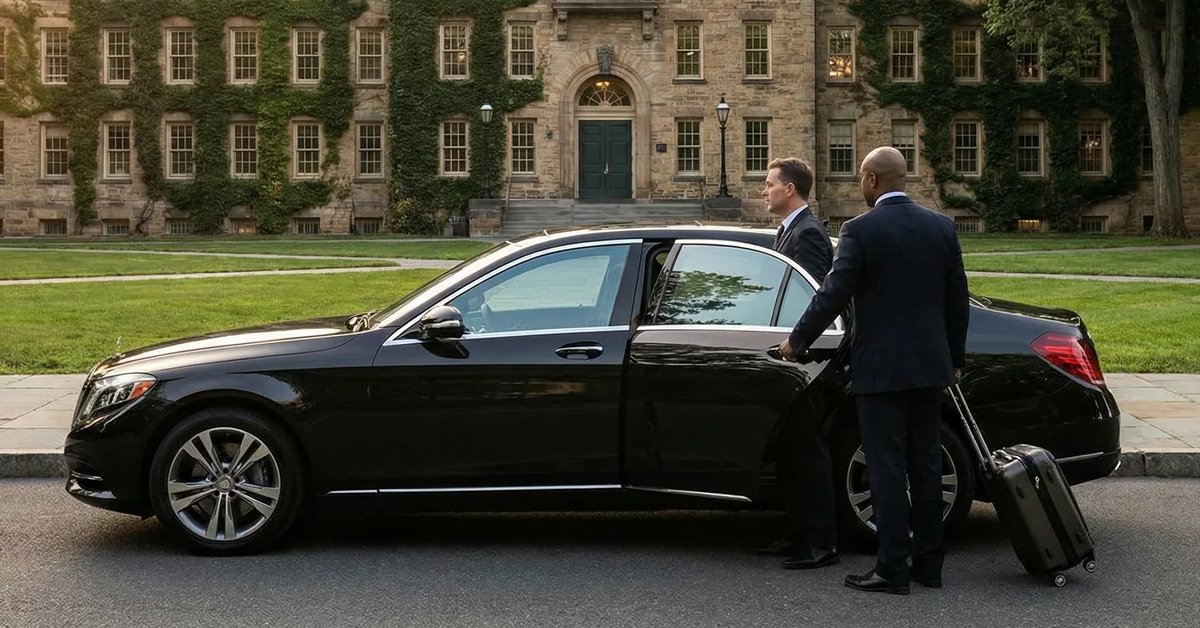
Transportation choices differ in more ways than vehicle appearance or price. Booking method, driver role, payment terms, and trip control all matter. Some options favor quick access, while others favor planned service. The better choice depends on timing, purpose, distance, and passenger needs.
Rideshare apps match requests with available drivers through digital platforms. Driver supply, pickup time, and demand pricing can change quickly. Reserved operators assign trips earlier and confirm service details beforehand. This added planning can help during flights, meetings, or client visits.
Premium app tiers may offer newer vehicles and higher driver standards. However, program rules and vehicle needs can differ by market. Ask who operates the ride and which insurance applies. Never assume an app category matches every privately booked transport feature.
Taxis work well when travelers need immediate rides from marked stands. Fares may use meters, airport rates, or local flat prices. Vehicle size and luggage help can vary between available drivers. Reservations offer more control over space, timing, and instructions.
Limousine bookings commonly focus on events, groups, or hourly use. Stretch vehicles may include event features that sedans rarely provide. Reserved sedans usually favor discreet travel for airports and meetings. Compare hourly minimums, vehicle styles, stop limits, and included time.
Rental cars give travelers direct control after collecting the vehicle. They also add driving, fueling, parking, tolls, and return duties. Insurance choices and deposit rules can increase the final cost. Rentals suit flexible trips when travelers want independent local movement.
Price comparisons should always include every charge tied to each option. Check changing demand prices, meters, hourly minimums, fuel, and parking. Add tolls, airport fees, insurance, gratuity, and waiting charges. A low displayed fare may exclude costs appearing after travel.
Important trips need stronger checks than ordinary short local journeys. Review driver screening, commercial coverage, vehicle details, and support access. Confirm luggage capacity, child seats, pickup steps, and cancellation terms. Written facts matter more than premium labels or polished photographs.
A reserved chauffeur ride can suit planned airport and executive travel. Rideshares and taxis may fit quick trips with flexible timing. Limousines serve many celebrations, while rentals support self-directed travel. Choose based on total cost, trip control, service proof, and convenience.

Business transportation must support schedules, budgets, records, and company rules. A polished vehicle matters less than steady service and clear control. Travel teams need accurate bookings, useful receipts, and reachable support. Executives need timely movement without adding work between important commitments.
Corporate travel policies may limit vendors, vehicle classes, fares, and extras. Buyers should verify permits, commercial coverage, and driver review standards. Booking tools should capture traveler names, trip codes, and cost centers. Clear controls help managers approve travel without slowing every reservation.
Central accounts can keep employee bookings under one company profile. Monthly invoices may reduce separate payments and missing travel receipts. Ask whether bills show routes, dates, passengers, fees, and gratuities. Finance teams also need clear methods for correcting disputed charges.
Scheduled reserved rides suit airports, board meetings, dinners, and appointments. Short notice bookings may help when meeting times remain uncertain. Routes with several stops need realistic buffers and exact stop order. Roadshows may require hourly reservations and one assigned chauffeur.
Private cabins can support calls, email, review work, or quiet rest. Confirm wireless internet, charging ports, lighting, and device connections beforehand. Vehicle privacy never replaces company rules for sensitive conversations. Riders should still protect screens, documents, names, and private data.
Client travel can shape impressions before a meeting even begins. Clear pickup signs and direct contact reduce visitor confusion. Chauffeur conduct should remain calm, discreet, and suited for business settings. The vehicle must match the visitor’s luggage and access needs.
International visitors may need airport help, local guidance, and hotel transfers. Share complete names, mobile contacts, languages, and arrival flight details. Consider customs delays, time zones, and unfamiliar terminal layouts. Written instructions help both travelers and company coordinators follow changes.
Team travel requires enough seating without limiting luggage or personal space. Conferences may need staggered pickups across airports, hotels, and event sites. Assign one company contact for group updates and booking changes. Confirm passenger lists before each scheduled departure or return ride.
Reserved chauffeur travel creates value when it prevents lost work. Measure total cost against parking, mileage, delays, and staff time. Include booking effort, missed meetings, and traveler output when comparing options. Business value comes from useful results, not luxury labels alone.

Special event transportation should protect the schedule while matching the occasion. Style matters, but planning creates the greatest comfort for everyone. Clear routes, pickup times, and contact details reduce confusion during the event. The ride becomes part of the celebration without controlling it.
Weddings may require separate plans for couples, families, and bridal parties. Rehearsal dinners, ceremonies, receptions, and departures follow different timelines. Each vehicle needs an assigned rider list and contact person. Build extra time for photographs, clothing, traffic, and venue access.
Sedans suit couples, date nights, and smaller formal arrivals. SUVs offer more room for groups, gifts, and formal clothing. Larger parties may need several vehicles or a private shuttle. Confirm actual seating limits instead of relying on broad vehicle labels.
Concerts, dinners, stage shows, and parties can make nearby parking difficult. A designated chauffeur also removes driving duties after alcohol consumption. Confirm pickup zones because venues may restrict vehicle access. Hourly booking can support several stops and changing finish times.
Prom and graduation rides require clear rules for younger passengers. Parents should receive driver details, routes, timing, and contact methods. Confirm seatbelt capacity and company policies regarding stops and conduct. Alcohol requests must follow local laws and company age rules.
Champagne, decorations, music, and refreshments should never be assumed. Ask which amenities are allowed and included within the written price. Some venues or operators may restrict drinks, glassware, or decorations. Confirm cleaning charges before adding food, flowers, signs, or glitter.
Galas, fundraisers, and red carpet events may use controlled arrival lanes. Share venue instructions, entry times, and credential needs before travel. VIP arrivals may require close timing with planners or security teams. Vehicle substitutions should receive approval when appearance affects event plans.
Celebrations rarely finish at the exact time listed during booking. Review overtime rates, waiting charges, and extension approval steps. Later parties may require a new stop or later final pickup. Keep dispatch contact details available when the schedule changes unexpectedly.
Reserved chauffeur travel can connect every stage of an occasion. Anniversary dinners, birthdays, engagements, and reunions each need different plans. The best booking matches people, timing, venue rules, and budget. Thoughtful details create comfort without adding pressure to the celebration.

Quality service begins before the vehicle reaches the pickup address. Travelers should receive clear terms, useful updates, and accurate ride details. The chauffeur and vehicle should match the confirmed booking information. Afterward, billing and feedback steps should remain equally clear.
Chauffeur standards may include driving reviews, screening, training, and conduct rules. Courteous service includes calm speech, discreet behavior, and luggage care. Uniforms can help riders identify the assigned chauffeur quickly. However, companies should explain their actual checks instead of making broad claims.
Vehicles should receive regular cleaning, inspections, and planned mechanical care. Cabin areas should look clean without strong scents or visible clutter. Seatbelts, doors, lights, and climate systems must work correctly. Ask how operators handle breakdowns and last-minute vehicle replacements.
Cabin features may include leather seating, climate control, and quiet interiors. Wireless internet, charging ports, water, and refreshments can differ by vehicle. Privacy partitions and tinted windows are not available in every class. Confirm required amenities before selecting or paying for the ride.
A booking record should show dates, addresses, times, and contact information. It should list passenger count, vehicle class, price, and included services. Confirm the legal operator when a platform uses affiliate companies. Payment records should identify the company receiving and processing funds.
Ask whether the reservation promises one vehicle or an equal class. Written substitution rules should explain upgrades, changes, and added costs. Driver name, vehicle model, and license details may arrive later. The company should state when riders will receive that information.
GPS and flight tracking can support dispatch updates during travel. Ask who can view ride data and how long it remains stored. Phone numbers, addresses, flight details, and payments require careful handling. Support should remain reachable through a stated channel during active bookings.
Meet and greet service may include a name sign and guidance. Luggage help can cover loading, unloading, or movement toward entrances. Door-to-door help should define where chauffeur duties finish. Request child seats, accessible vehicles, or language help during booking.
Upfront pricing should explain gratuity, waiting, tolls, and added stops. Review cancellation, rescheduling, cleaning, and absence charges before payment. Written terms should also cover refunds, credits, and billing disputes. Clear policies help travelers compare companies using the complete trip cost.
Strong service continues when delays, breakdowns, or booking errors occur. Ask how dispatch assigns replacements and informs affected riders. Post-ride contact should invite feedback without pressuring positive reviews. A clear complaint process shows whether the company accepts real accountability.
Confirm the company’s legal name, operating permit, and commercial insurance. Then review recent customer feedback across several independent review platforms.
The quote should list base fare, tolls, waiting, parking, and gratuity. It should also explain cancellation, rescheduling, cleaning, and absence charges.
Book once your schedule becomes firm, especially for airports or events. Earlier booking provides better vehicle choices and more planning time.
Expect written confirmation showing times, addresses, vehicle class, and price. Driver and license details may arrive closer to pickup time.
Contact dispatch immediately and request the replacement plan in writing. Keep all messages, receipts, and confirmed terms for later disputes.
Fill out the form below and our team will reach out to you as soon as possible.

Frontline Limousine provides trusted black car service Baltimore Maryland travelers rely on for airport rides, business travel, weddings, and private transportation throughout nearby areas.
Operating Authority:
PSC: 6544
USDOT #: 5068123
Frontline Limo provides reliable luxury transportation with professional chauffeurs and clean premium vehicles.
Accepted Credit Cards

© 2026 Frontline Limo | All Rights Reserved. | Powered by Zen Marketing LLC